

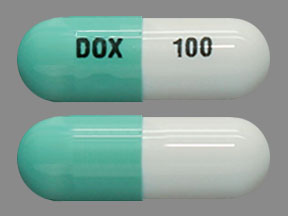
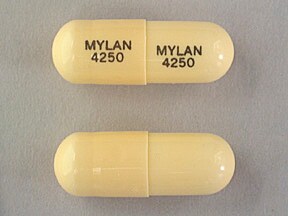
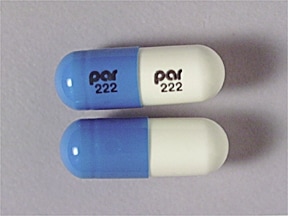
Adapin
Price range: $145.00 through $430.00
Adapin, the brand name for doxepin, is a tricyclic antidepressant (TCA) commonly prescribed to treat depression and anxiety disorders. In addition to its mental health applications, Adapin is also effective in managing chronic insomnia and certain skin conditions like pruritus due to its sedative and antihistamine properties
What is Adapin (Doxepin)?
Adapin, the brand name for doxepin, is a tricyclic antidepressant (TCA) commonly prescribed to treat depression and anxiety disorders. In addition to its mental health applications, Adapin is also effective in managing chronic insomnia and certain skin conditions like pruritus due to its sedative and antihistamine properties. By influencing neurotransmitters in the brain, Adapin helps restore emotional balance, improve sleep, and alleviate symptoms of anxiety.
Key Benefits of Adapin
-
Mood Elevation
- Reduces symptoms of depression, such as persistent sadness, low energy, and difficulty concentrating.
-
Anxiety Management
- Provides relief from excessive worry and nervous tension associated with generalized anxiety disorder.
-
Improved Sleep
- Treats chronic insomnia by promoting relaxation and improving sleep quality.
-
Versatile Applications
- Addresses both mental health and physical symptoms, including skin irritations like itching.
-
Non-Habit Forming
- Unlike some sleep aids or anti-anxiety medications, Adapin does not typically lead to dependency when used as directed.
How Adapin Works
Adapin works by inhibiting the reuptake of norepinephrine and serotonin, two neurotransmitters critical for mood and emotional regulation. This increases their levels in the brain, leading to an improved sense of well-being. Additionally, Adapin’s antihistamine properties make it effective in treating itching and promoting sleep.
Common Uses for Adapin
- Major Depressive Disorder (MDD): Improves mood and reduces feelings of hopelessness or guilt.
- Generalized Anxiety Disorder (GAD): Eases symptoms such as excessive worry and restlessness.
- Insomnia: Enhances sleep quality by reducing the time it takes to fall asleep and preventing frequent awakenings.
- Chronic Skin Conditions: Relieves itching caused by eczema, dermatitis, or other skin irritations.
Dosage and Administration
Adapin is available in capsule and liquid forms, with dosage tailored to the condition being treated and the patient’s individual needs.
Typical Dosages
-
Depression and Anxiety:
- Initial dose: 25-50 mg daily, divided into smaller doses or taken at bedtime.
- Maintenance dose: Up to 300 mg per day, as prescribed.
-
Insomnia:
- Low doses of 3-6 mg taken 30 minutes before bedtime are effective.
-
Pruritus:
- 10-25 mg up to three times daily, depending on the severity of the itching.
Administration Tips
- Take Adapin exactly as prescribed by your healthcare provider.
- For insomnia, avoid taking it too close to planned activities as it may cause drowsiness.
- Avoid consuming alcohol, which can intensify side effects such as dizziness or drowsiness.
Safety Precautions and Potential Side Effects
Common Side Effects
- Drowsiness
- Dry mouth
- Dizziness or lightheadedness
- Blurred vision
- Weight gain or changes in appetite
These side effects are typically mild and tend to improve as your body adjusts to the medication.
Serious Side Effects
- Increased heart rate or palpitations
- Severe dizziness or fainting
- Signs of an allergic reaction, such as rash, swelling, or difficulty breathing
- Suicidal thoughts or behavior, especially in younger patients
If you experience any severe side effects, contact your healthcare provider immediately.
Who Should Avoid Adapin?
- Patients with glaucoma or urinary retention
- Individuals with a history of bipolar disorder or manic episodes
- Those taking monoamine oxidase inhibitors (MAOIs) or within 14 days of discontinuing them
- Pregnant or breastfeeding women should consult their doctor before starting Adapin.
| Quantity | 100 tablets, 200 tablets, 50 tablets |
|---|
Be the first to review “Adapin”
Related products

Depression Medications


Depression Medications

Depression Medications


Depression Medications
Reviews
There are no reviews yet.